
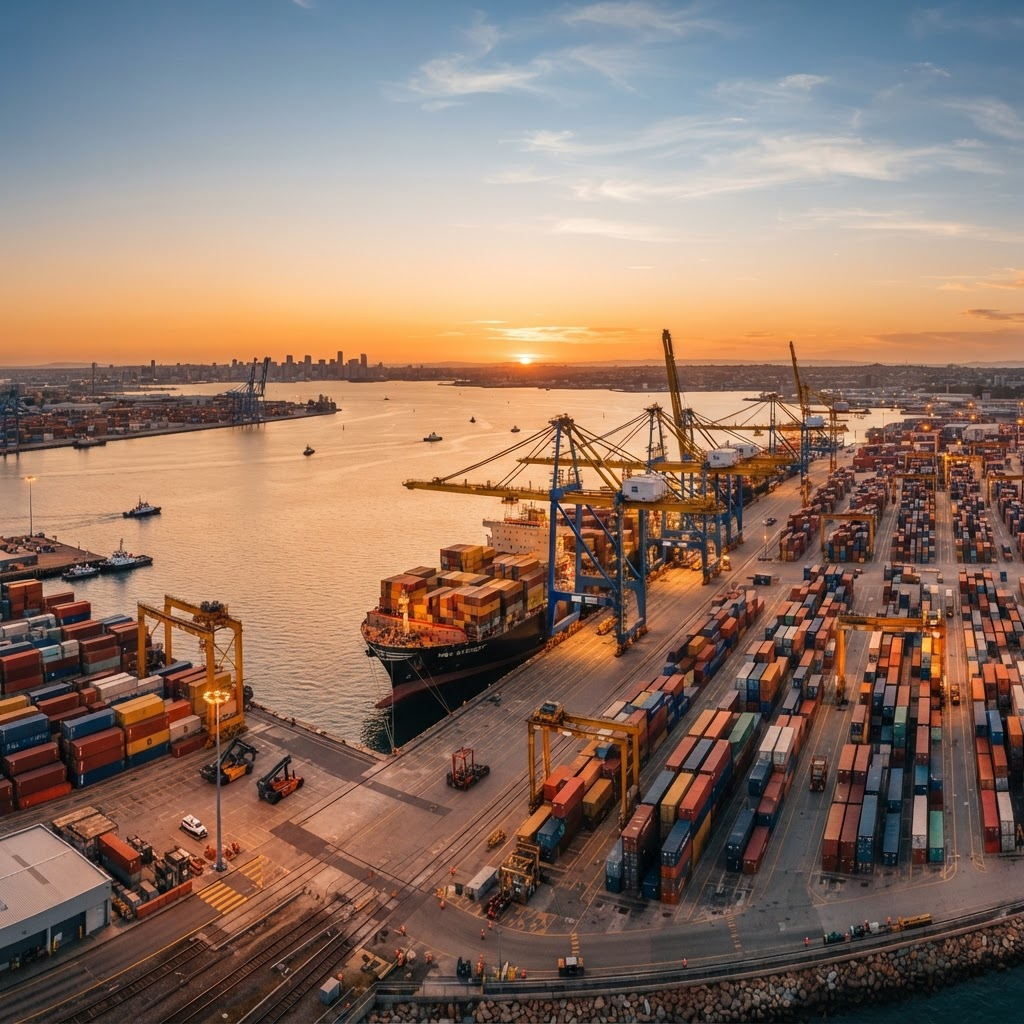
New importers often build their budget around the factory price alone, then get an unpleasant surprise when the final landed cost comes in far higher. A container does not cost what the factory invoice says. It costs what the factory invoice says, plus everything it takes to get that container from the factory floor to your warehouse door.
Here is a plain-language breakdown of where the rest of the cost comes from.
Freight
Sea freight is quoted per container (FCL) or per cubic meter (LCL), and rates move with fuel prices, seasonal demand and available capacity. Air freight is faster but priced by weight, and is usually reserved for smaller or urgent shipments.
Duties and taxes
Pakistan Customs applies duty based on the HS code of your product, and on top of that, sales tax and often withholding tax apply at the import stage. The exact rate depends entirely on what you are importing, so this needs to be checked per product, not assumed.
Clearing agent and port charges
A licensed clearing agent handles your WeBOC filing, and the port itself charges handling, storage and documentation fees. Delays in clearance add storage costs daily, which is one more reason accurate paperwork matters from day one.
Inland transport
Once the container clears the port, it still needs to travel to your city and be unloaded. This cost varies with distance and whether you need specialized handling equipment.
Currency and banking costs
Bank charges, exchange rate movement between the time you quote and the time you pay, and any LC-related charges all add a few percentage points that are easy to overlook in early planning.
As a rough rule of thumb, many first-time importers find their landed cost runs meaningfully higher than the factory price alone. The way to avoid a bad surprise is to get a full landed cost estimate before you commit to an order, not after the container has already sailed. This is the exact calculation our Business Management team prepares for every project before a client signs off.